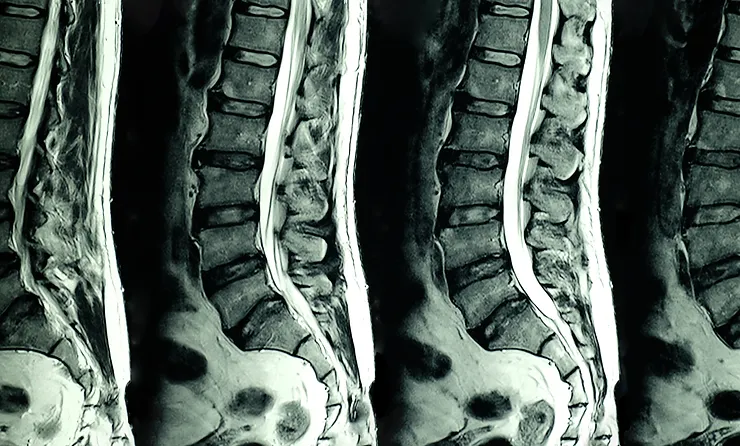
When I first received my MRI report and was diagnosed with a herniated disc and degeneration, I felt completely lost and overwhelmed. The pain, the uncertainty, and the sheer amount of information left me feeling unsure of what to do next. After going through the process and learning what worked (and what didn’t), there are a few key things I wish I had known from the start.
1. Rest is Important, But So Is Movement

When I was first diagnosed with a herniated disc, I was terrified to move and thought I had to stay completely still. I know many people feel the same way.
But here’s the thing—staying immobile for too long can actually make things worse, causing more stiffness and muscle weakness.
After the initial few weeks, gentle movement and specific exercises really can help speed up recovery. And honestly, walking was a game changer for me. It doesn’t have to be intense, just a little movement every day can do wonders.
2. Pain Doesn’t Always Reflect the Damage
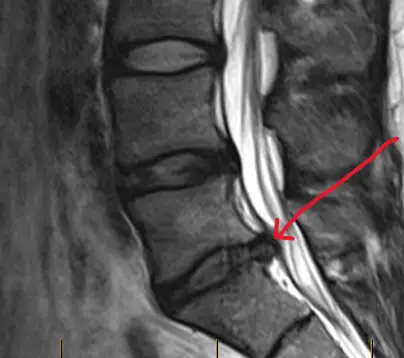

One of the biggest surprises I learned was that pain doesn’t always match up with the severity of the bulging disc. I remember seeing scans of people with much worse looking scans than mine, yet their symptoms weren’t nearly as bad as mine.
The reality is that imaging doesn’t always correlate with pain.
Some people with bulging discs feel little to no pain, while others with similar conditions experience intense discomfort. So, it’s more important to listen to your body and how it feels, rather than just looking at the scan or pain level.
3. Making Changes Is Crucial
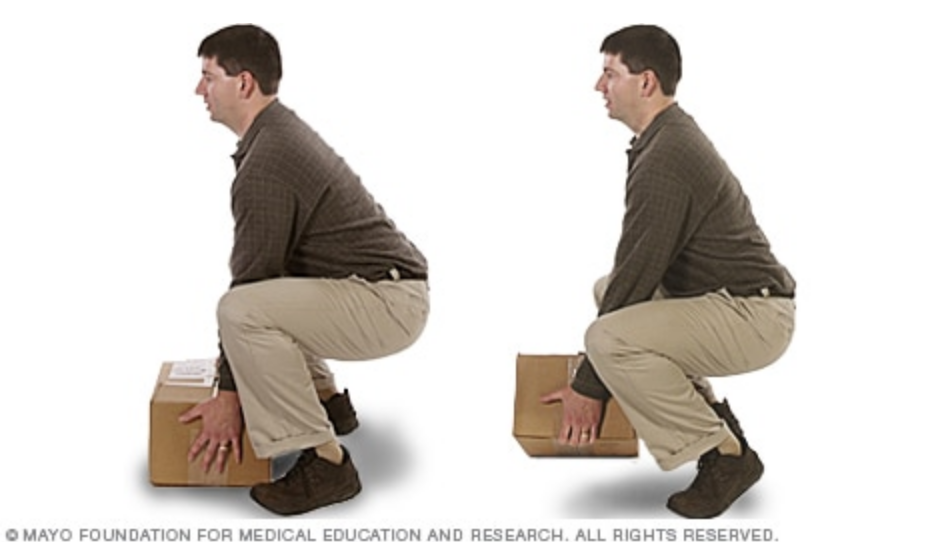
A lot of back pain comes from root issues—things like poor posture or improper lifting techniques. If you don’t make changes, the problems will just keep coming back, and likely worse.
I used to think I could just rest and wait it out, but skipping physical therapy was a huge mistake. The right PT program helps strengthen the muscles around your spine, takes the pressure off, and sets you up for long-term success.
It’s an investment in your recovery.
4. Your Outlook Matters More Than You Think

IMAGE: SOULSTRENGTHMEDICINE
This is a big one. I won’t lie, dealing with chronic pain and limited mobility really took a toll on my mental health. I was constantly anxious about my future and felt depressed, thinking this pain was going to be my life forever.
But once I changed my perspective, everything shifted. I started seeing this as an opportunity to take better care of my body, to focus on my posture, and to approach life with a healthier mindset. Now, my back issues are just part of my routine, and I’m confident that making those changes now will help prevent even bigger problems down the road.
5. You Should Probably Join a Community

IMAGE: SOULSTRENGTHMEDICINE
I honestly don’t know what I would’ve done without the support of others going through the same thing. The Reddit communities for back pain and sciatica were a lifesaver for me. It really makes a difference to connect with people who get it, especially when you feel like you’re the only one dealing with constant pain.
I can almost guarantee that someone out there has the exact same symptoms you’re experiencing, and reaching out for advice can be incredibly helpful. Plus, you never know—you might even make a new friend!
I’ve learned so much from these communities, and now I try to give back when I see posts from newcomers who remind me of where I was a few years ago.